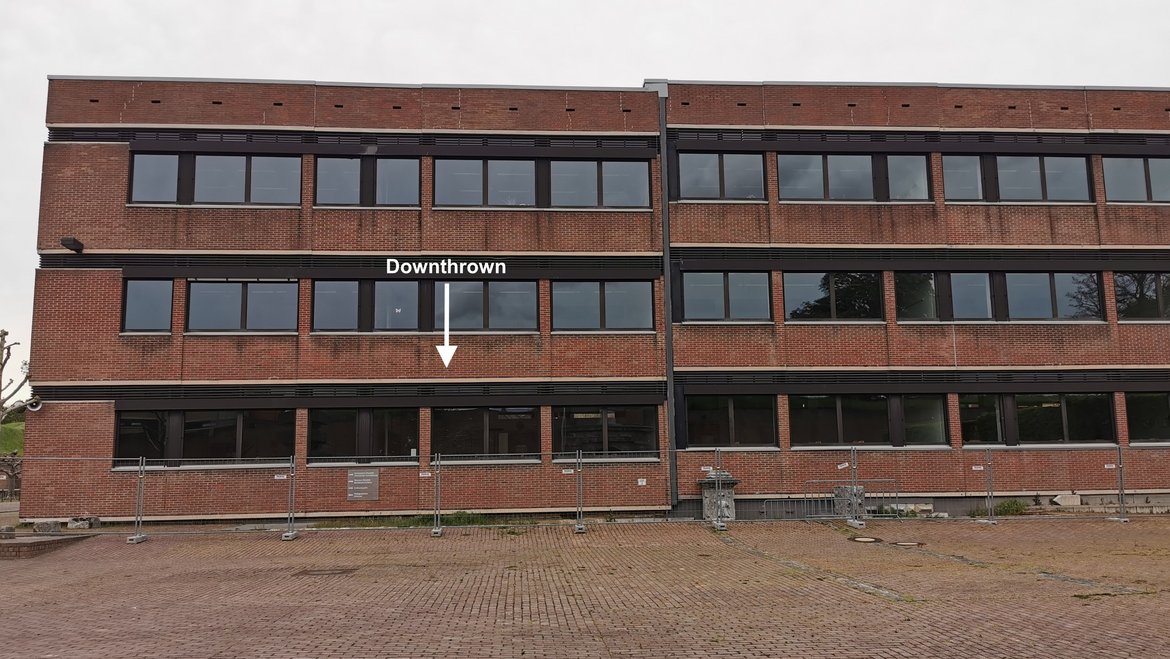
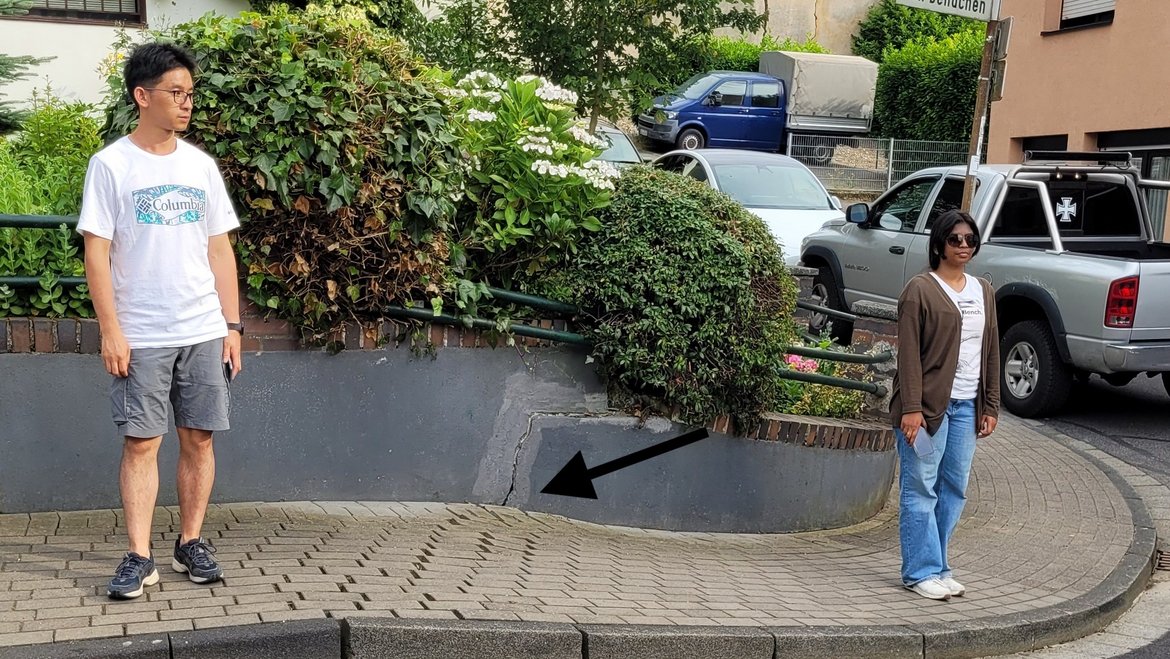
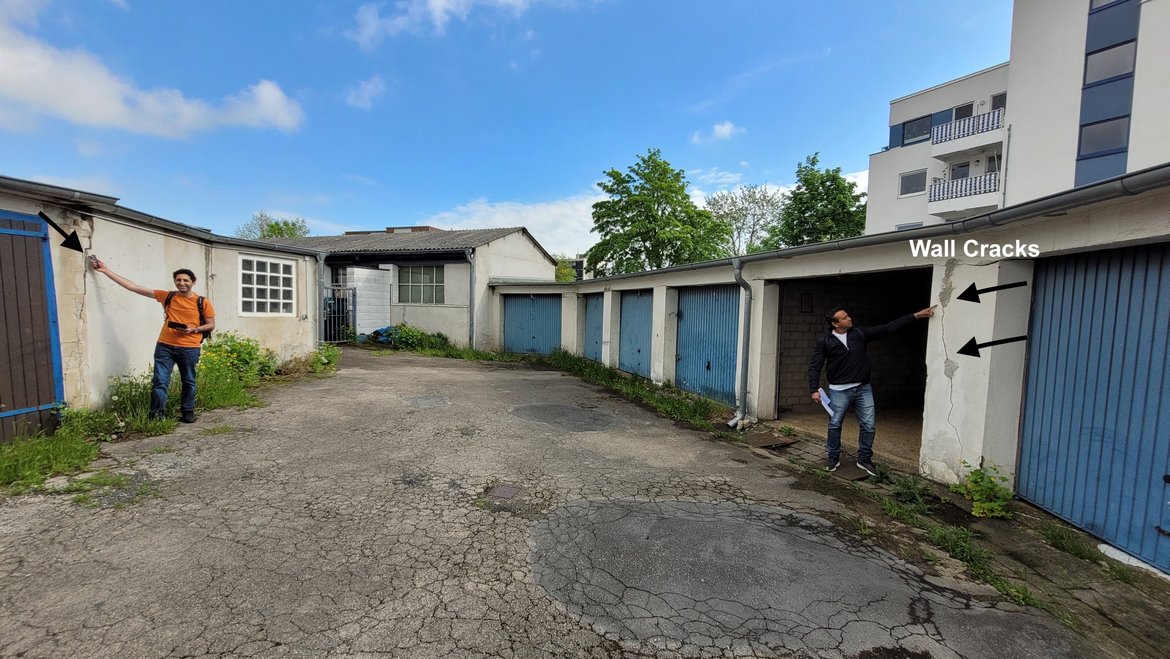
Recent study by scientists at GFZ Helmholtz Centre for Geosciences in the Rhenish lignite mining district between Aachen and Cologne shows that the impacts of open-pit mining extends well beyond the mine boundaries. The study demonstrates that groundwater drawdown associated with mining has caused widespread ground subsidence and led to the slow reactivation of existing geological faults. At the surface, these movements can result in fault-related displacement, differential settlement, and damage to buildings, roads, and other infrastructure.
The findings highlight that mining-related ground deformation is not restricted to the excavated areas themselves. Groundwater-driven subsidence and fault-related deformation can affect surrounding communities and infrastructure. The studies also demonstrate the value of satellite observations for large-area monitoring and for identifying locations where more detailed investigation and risk-reduction measures may be required.
In this study, GFZ researchers M.Sc. Dibakar Kamalini Ritushree, Dr Marzieh Baes and Prof. Dr Mahdi Motagh identified the dominant factors influencing local ground subsidence and quantified their relative impact. On this basis, they also produced regional risk maps for ground subsidence.
Original Publication:
Ritushree, D.K., Baes, M. and Motagh, M., 2026. Hydrological and tectonic linkage to subsidence risk in the Rhineland coalfields, Germany: Integrating machine learning with remote sensing and geospatial data. Engineering Geology, p.108751. https://doi.org/10.1016/j.enggeo.2026.108751
More Information:
Pressemeldung GFZ
Media Coverage:
- https://www.theguardian.com/science/2026/sep/23/how-opencast-mining-risks-reawakening-dormant-geological-faults
- https://www.aachener-zeitung.de/lokales/region-dueren/dueren/aus-dem-all-werden-die-folgen-der-rwe-suempfungen-sichtbar/161411223.html
- https://www.aachener-zeitung.de/lokales/region-dueren/dueren/vom-all-zum-boden-was-tun-bei-bergschaeden/161524900.html
- https://www.daswetter.com/nachrichten/wissenschaft/folgen-des-tagebaus-fernab-der-grube-satelliten-belegen-bodensenkungen-im-rheinland.html
- https://aachen.t-online.de/region/aachen/id_101437694/aachen-und-dueren-satellitendaten-zeigen-deutliche-bodenabsenkung.html