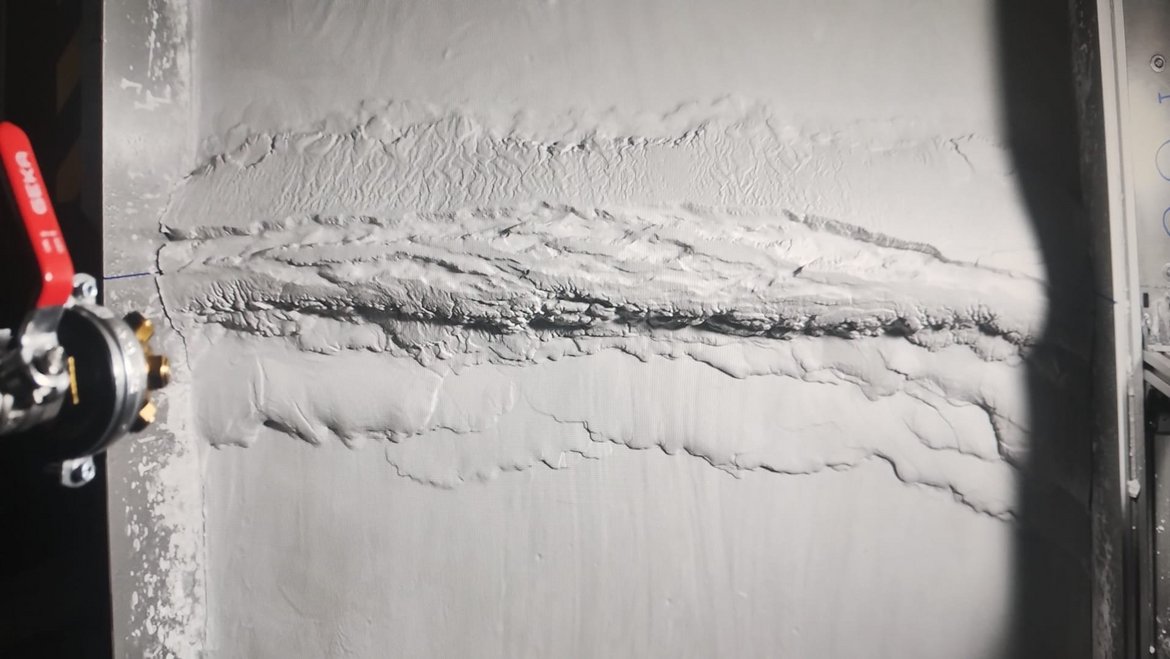
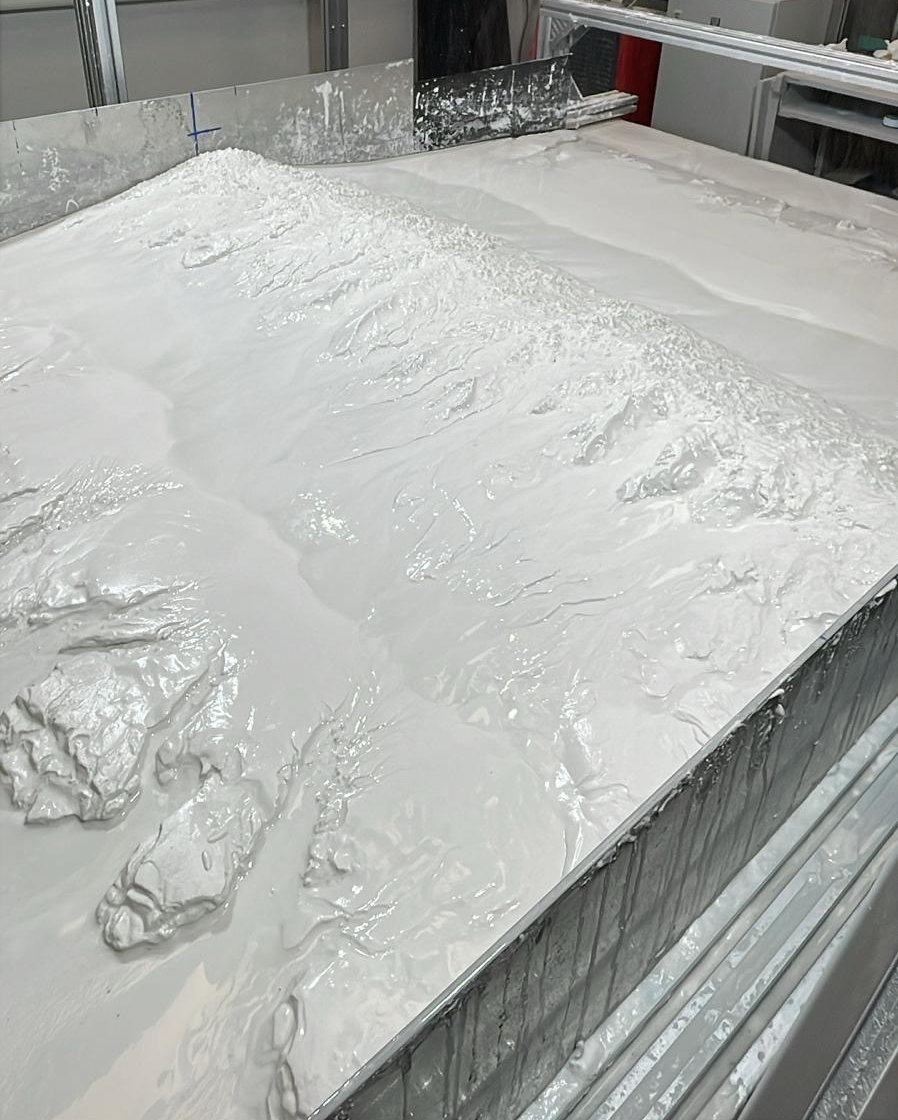
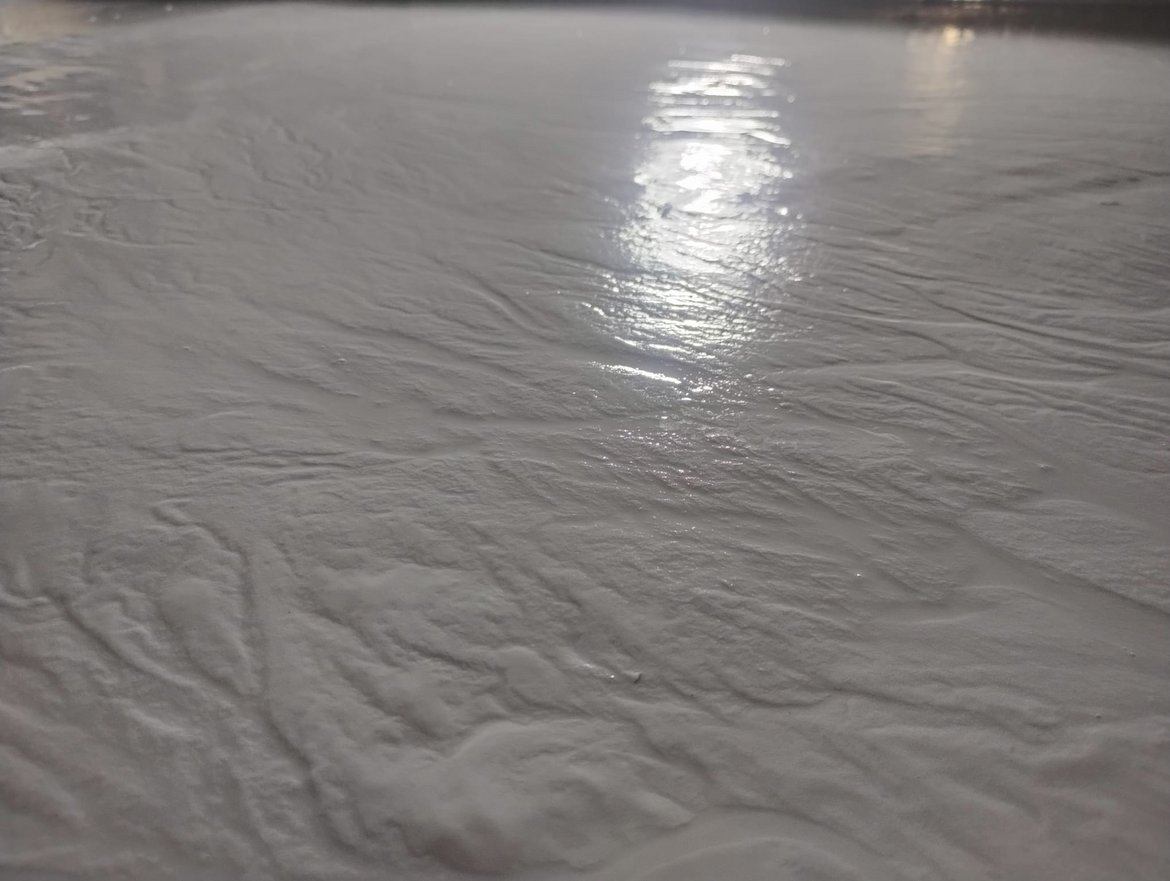
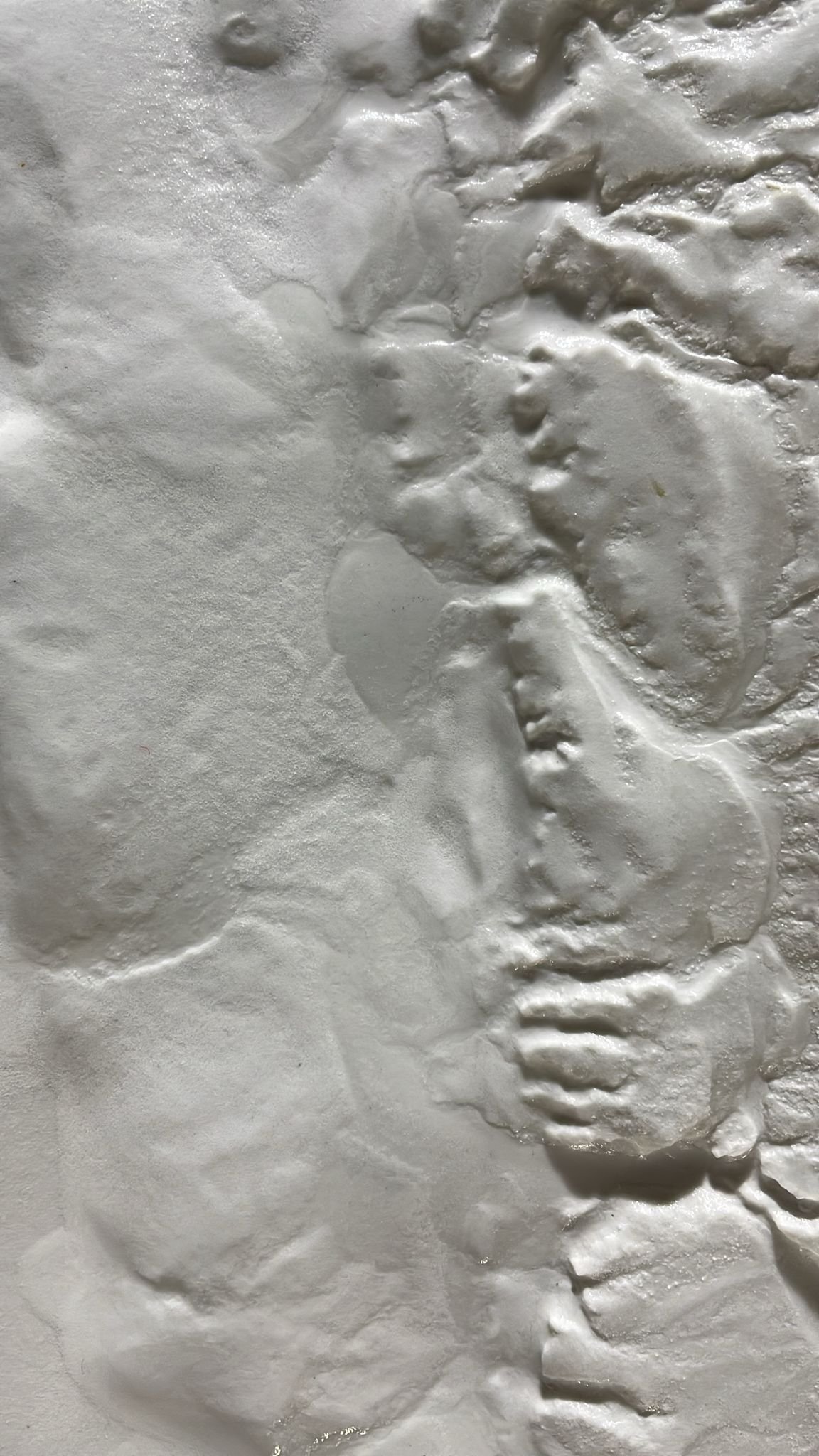
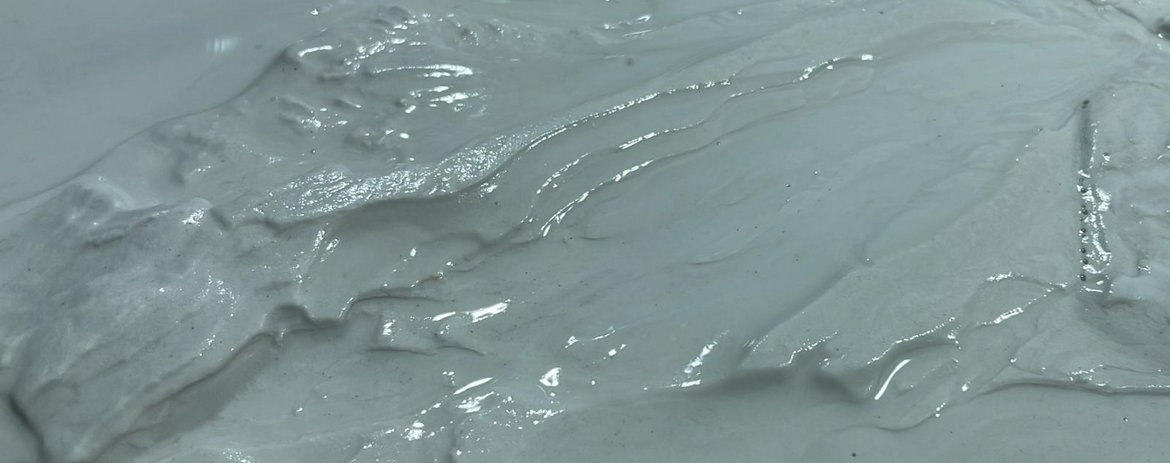
The stRainLab is dedicated to advancing our understanding of how Earth’s surface processes and endogenic dynamics are coupled. Our research focuses on the interaction and potential feedbacks between erosion, sedimentation, and tectonic deformation, exploring how climate-driven surface processes influence landscape evolution and, in turn, how tectonics shapes topography and sediment pathways. Using an erosion–tectonics analogue modeling approach, we simulate the evolution of bivergent accretionary wedges akin to mountain belts, employing a water-saturated fine-grained composite material ("CM2", Reitano et al., 2023) that appropriately scales to represent the brittle crust.
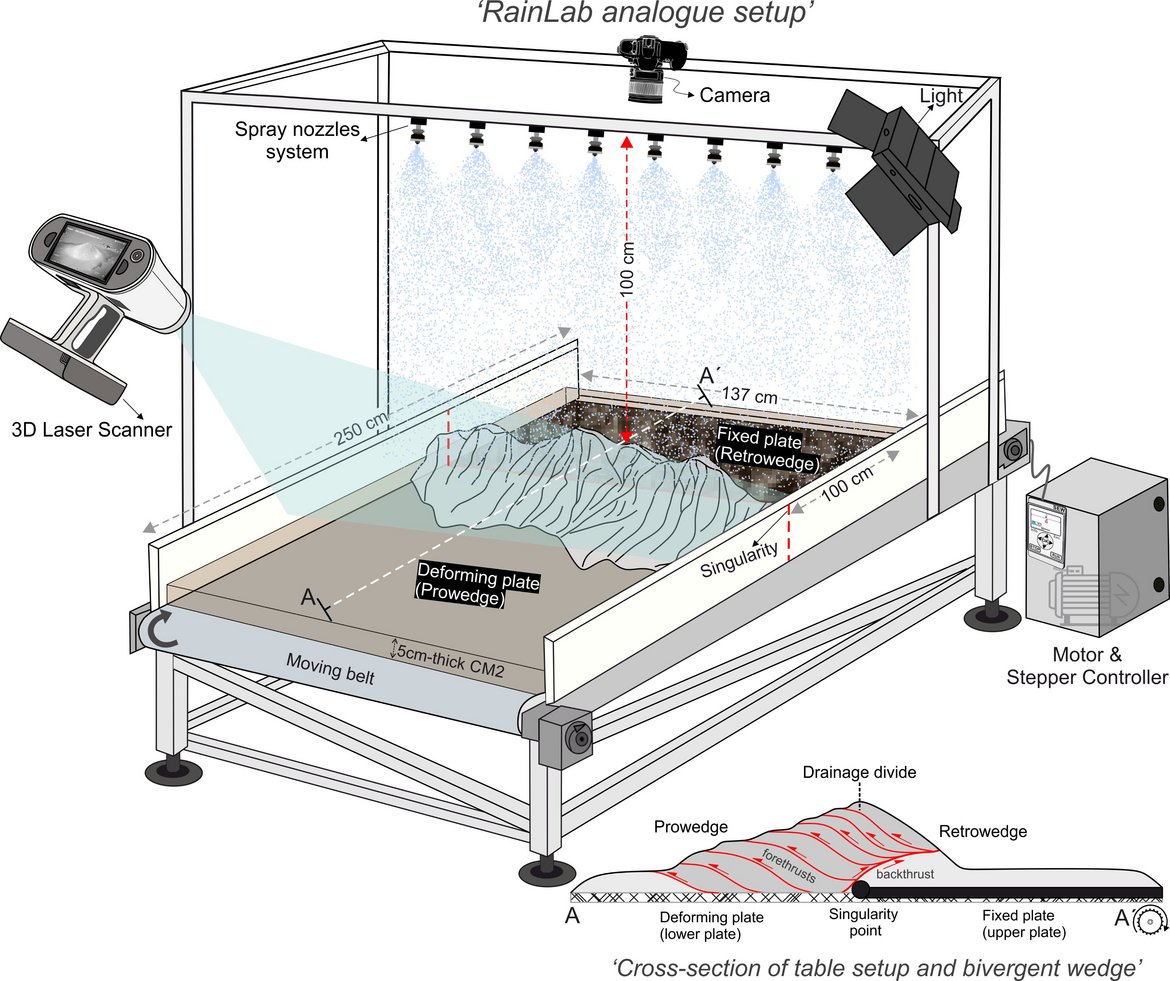
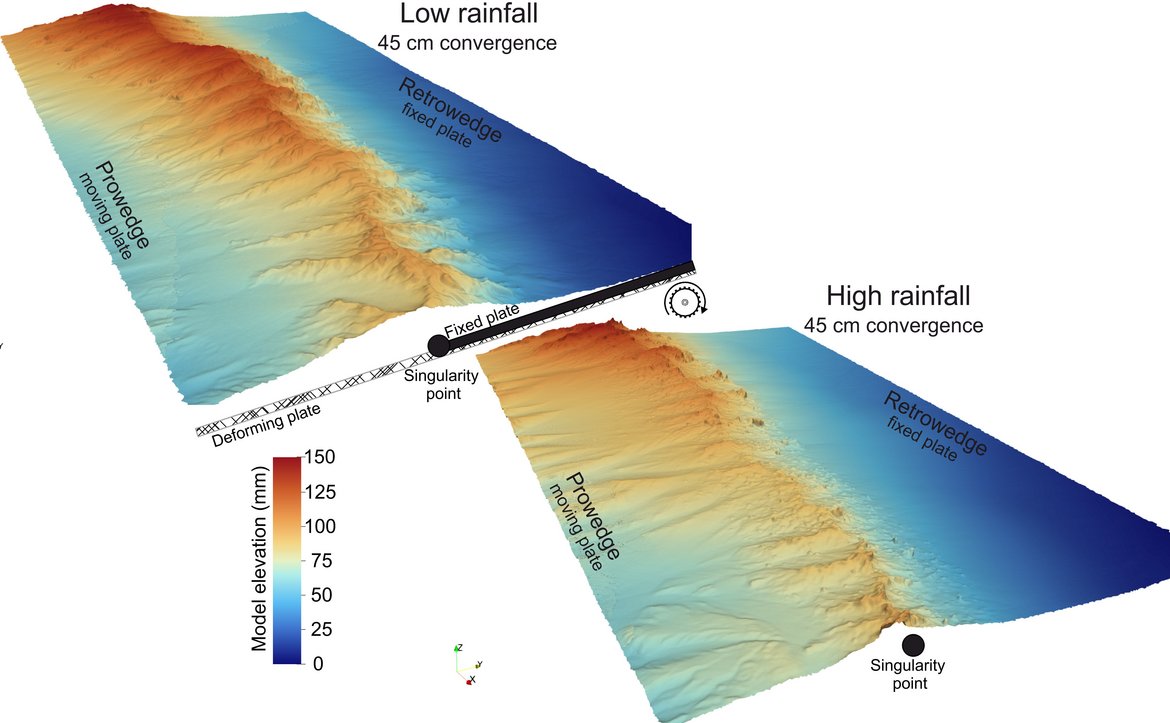
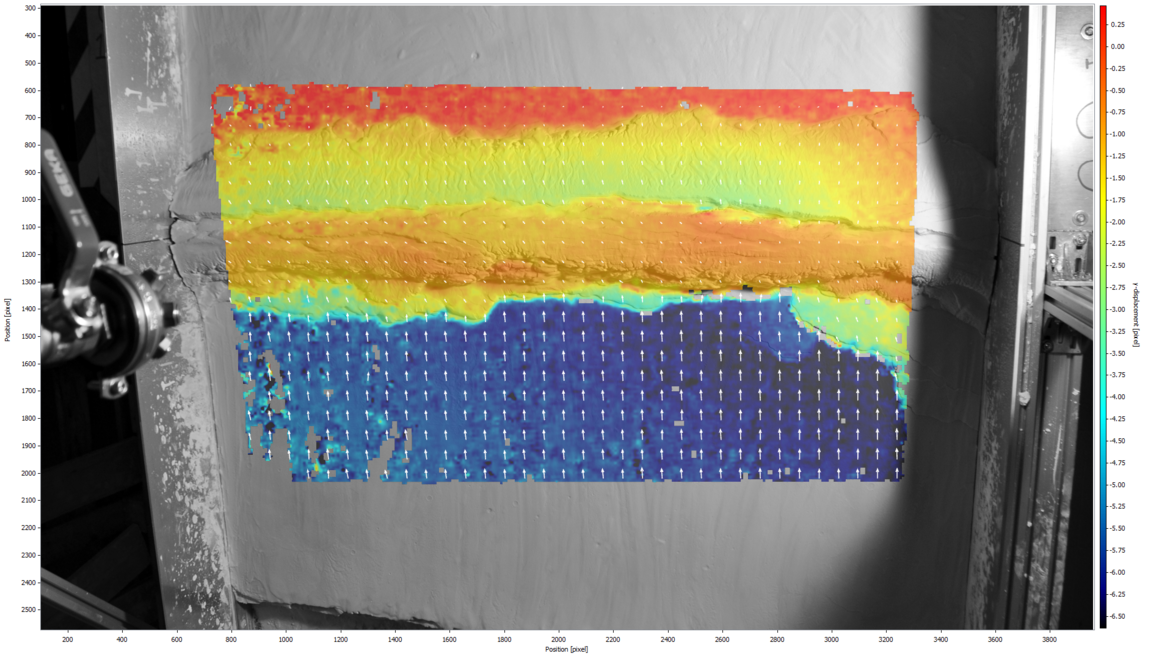
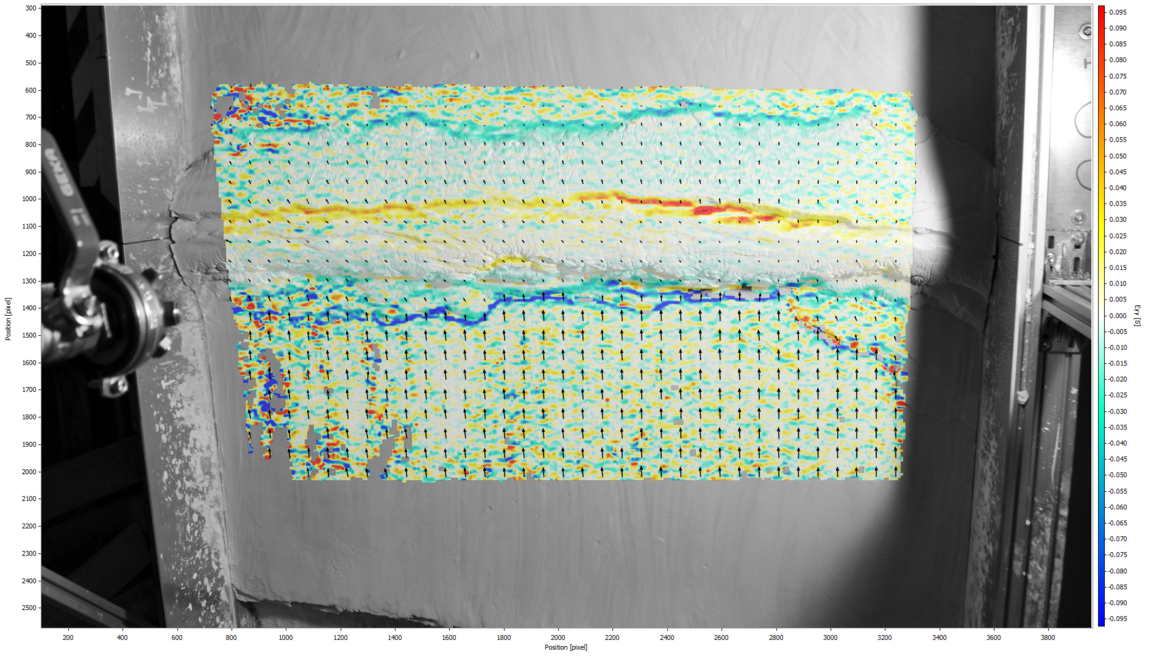
Our experimental setup includes a fixed plate on top of a conveyer belt simulating plate tectonic deformation, as well as fog-misting nozzles that allow us to realistically impose rainfall that drives erosion, runoff, and drainage network development. To quantitatively characterize these non-linear processes, we integrate high-resolution monitoring techniques, including 3D laser scanning to generate digital elevation models (DEM) and particle image velocimetry (PIV) to capture surface deformation. Through the combination of experimental approaches, field observations, and numerical modeling, we aim to unravel the complex interactions that govern lithosphere dynamics across spatial and temporal scales.

Publications
Reitano, Riccardo; Rosenau, Matthias; Conrad, Ethan M.; Faccenna, Claudio; Funiciello, Francesca (2023): Drained ring-shear test data of wet silica powder-glass beads-PVC powder mixture “CM2” used for analogue modelling in the laboratory for experimental tectonics (LET) at RomaTre University, Rome, Italy. GFZ Data Services. https://doi.org/10.5880/fidgeo.2023.039