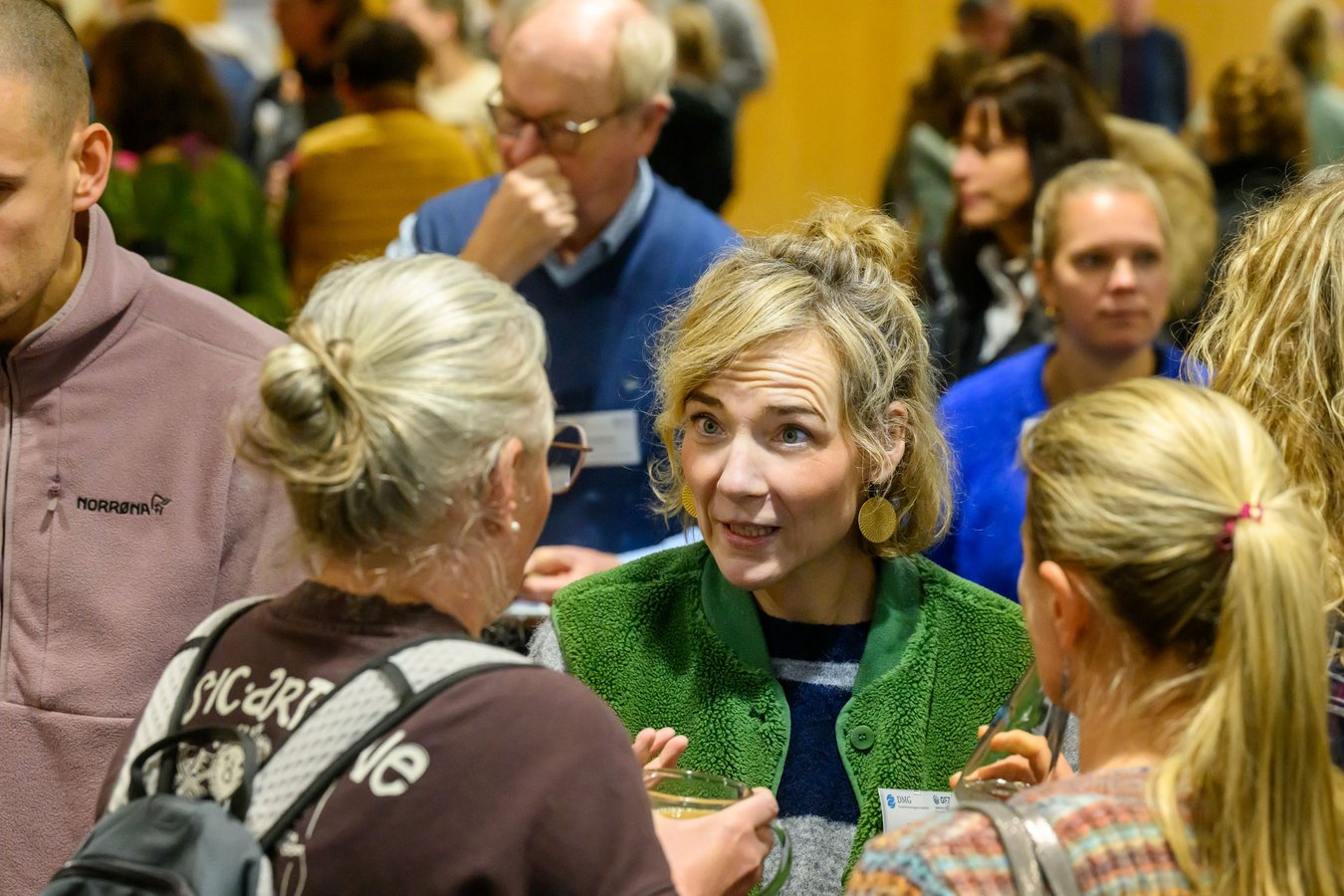
Bringing Earth Sciences into the Classroom: That is the goal of the “Herbstschule (Fall School)” professional development series, which took place for the 24th time at the GFZ on 23 and 24 November 2026. The event was organised by the GFZ Schülerlabor in collaboration with the Deutsche Meteorologische Gesellschaft (DMG). Under the overarching theme “Geoecosystems in Transition (II)”, approximately 100 teachers, student teachers and university students learned about the latest findings from various fields of geoscience research—through specialist lectures, discussion sessions and hands-on workshops.
Geoecosystems in Transition
The overarching theme “Geoecosystems in Transition (II)”—as in 2025—was based on the framework curriculum for upper secondary schools in Berlin and Brandenburg, which was reformulated last year. Since the topic had already been very well received the previous year and there was a desire to expand upon it, it was revisited to support teachers in implementing the key content areas, provide guidance, and facilitate their introduction to the subject areas of the new framework curriculum.
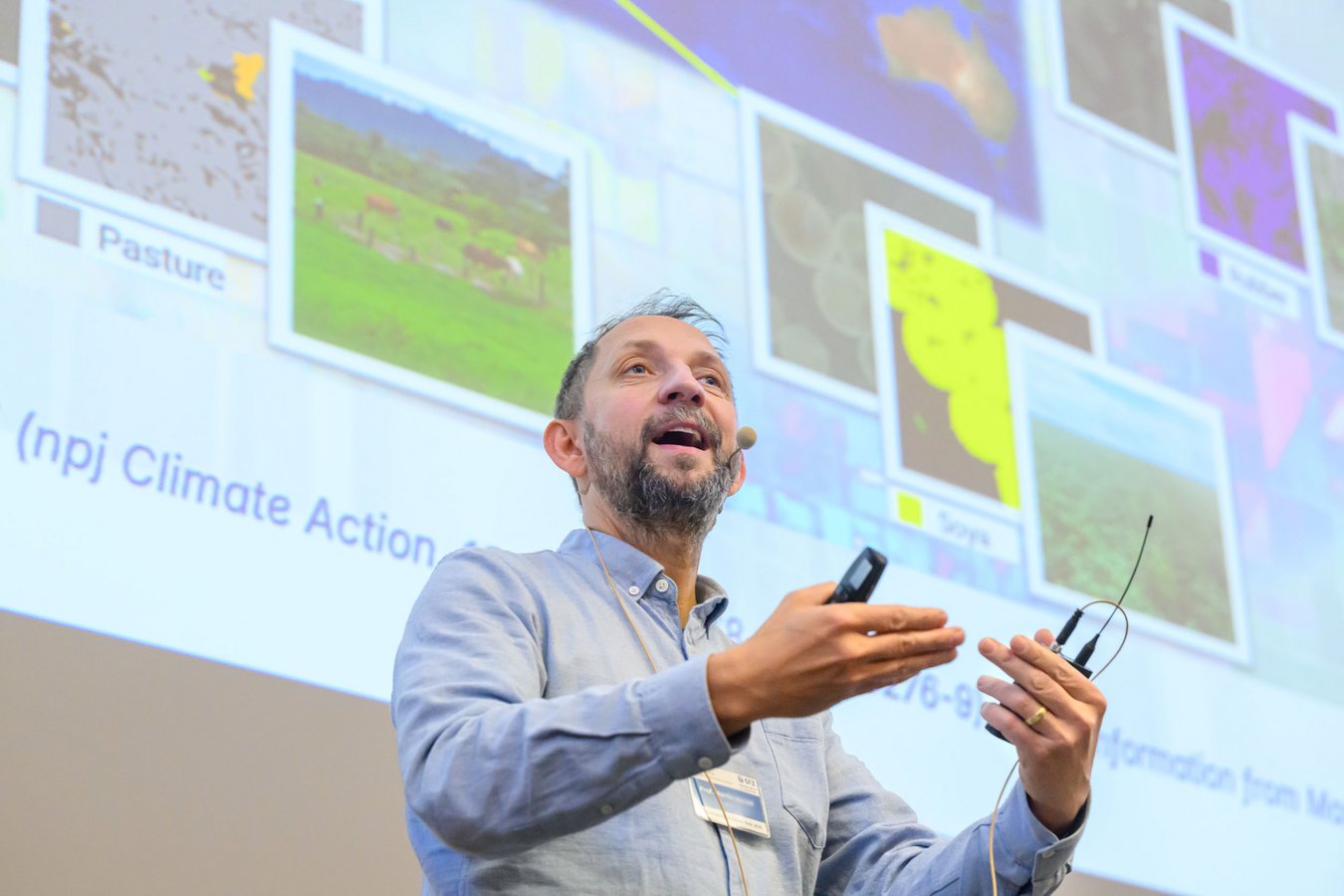
Ten presentations covered a wide range of topics, from regional water management to space weather and Arctic permafrost. Four scientists presented current research findings from the GFZ:
- “Forests and Climate in a Changing World” | Presentation by Prof. Martin Herold
- “Critical Raw Materials in Thermal Waters,” presentation by Prof. Simona Regensprung
- “Is Space Weather a Natural Hazard for Our Environment?”, presentation by Dr. Monika Korte
- “More Peatlands? How Rewetting and Drought Are Changing Greenhouse Gas Dynamics in Lowland Peatlands,” presentation by Prof. Torsten Sachs.
We also welcomed five external speakers from the Max Planck Institute in Jena, the Technical University of Berlin, the Free University of Berlin, the Alfred Wegener Institute, and the Potsdam Institute for Climate Impact Research.
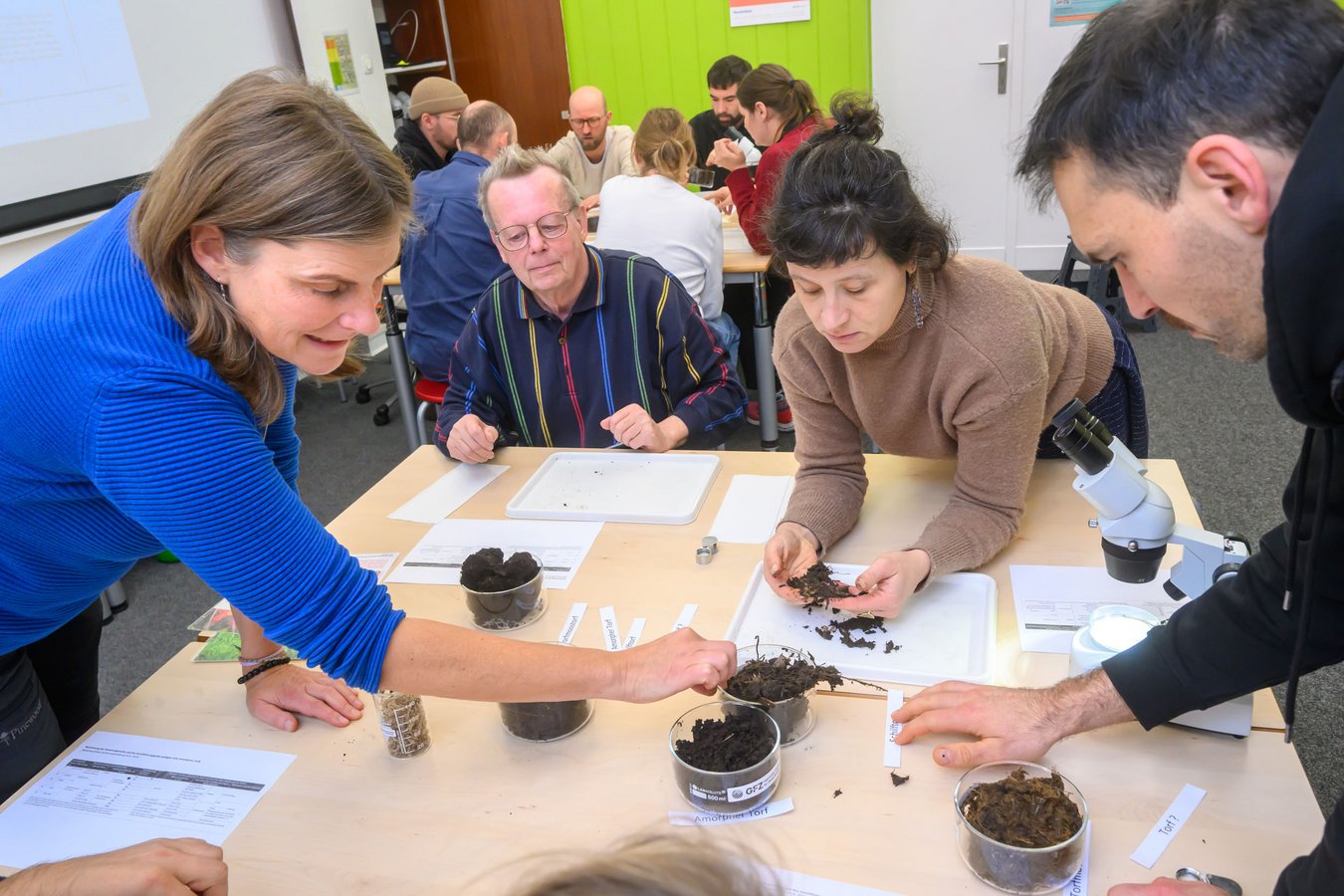
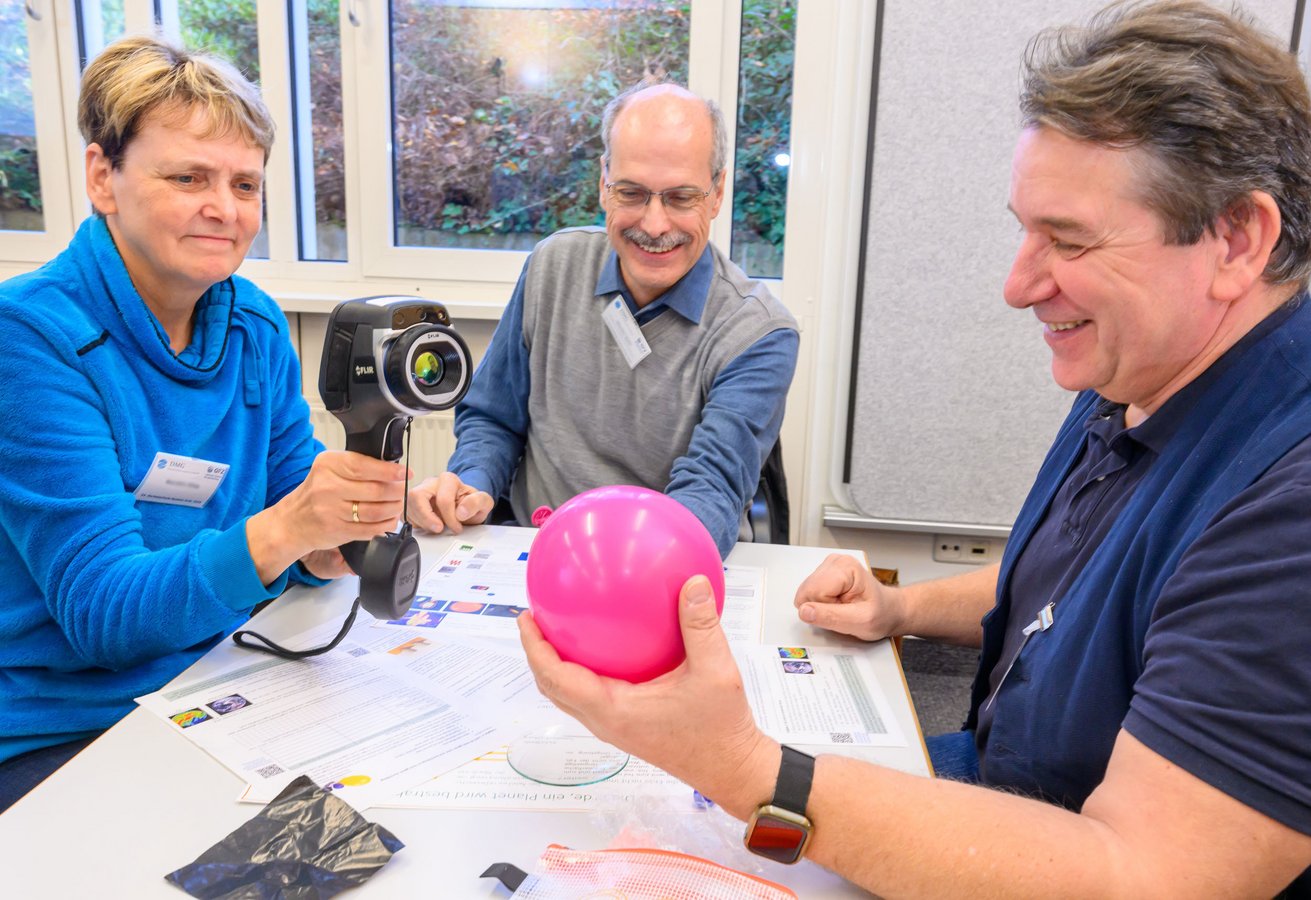
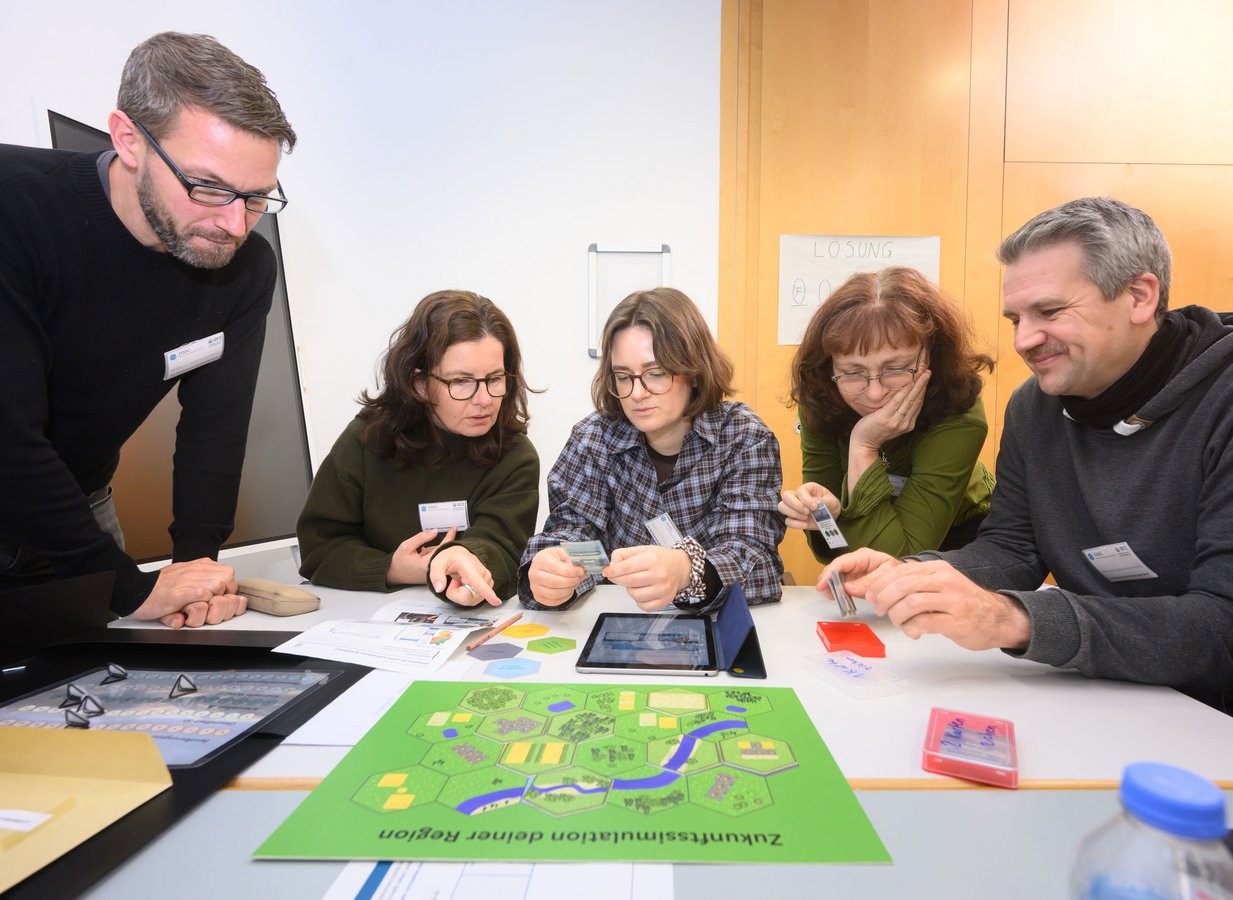
Participants could choose from various workshops that were closely aligned with the overarching theme “Geoecosystems in Transition” and provided inspiration for engaging geography lessons. The offerings ranged from experiment kits on climate change to field trip tips on peatlands, as well as digital tools, an escape game on Brandenburg’s water future, and a role-playing game on natural disasters and resilience.
We would like to thank all the participating researchers for their dedication and expert support—and, of course, the approximately 100 participants for the lively exchange.


