
Researchers from GFZ and other institutions are calling for the establishment of a national civil space weather service.
Space weather describes various hazards that originate in space. The source is our Sun, which regularly ejects massive clouds of plasma toward earth. These clouds consist of electrically charged particles. When such plasma clouds reach the Earth, they can have significant impacts on critical infrastructure and technical systems in space and on Earth. Severe geomagnetic storms can disrupt power grids, satellites, navigation and communication systems, as well as air traffic, and in extreme cases cause widespread power cuts. The rapidly increasing number of satellites, the miniaturization of satellite hardware, the emergence of autonomous vehicles, and the growing complexity of power grids are making our society more vulnerable to space weather than ever before. Past events show that it is not a question of ‘if’, but of ‘when’ and ‘how severe the impacts will be’. Preparing for such events is therefore of the utmost importance.
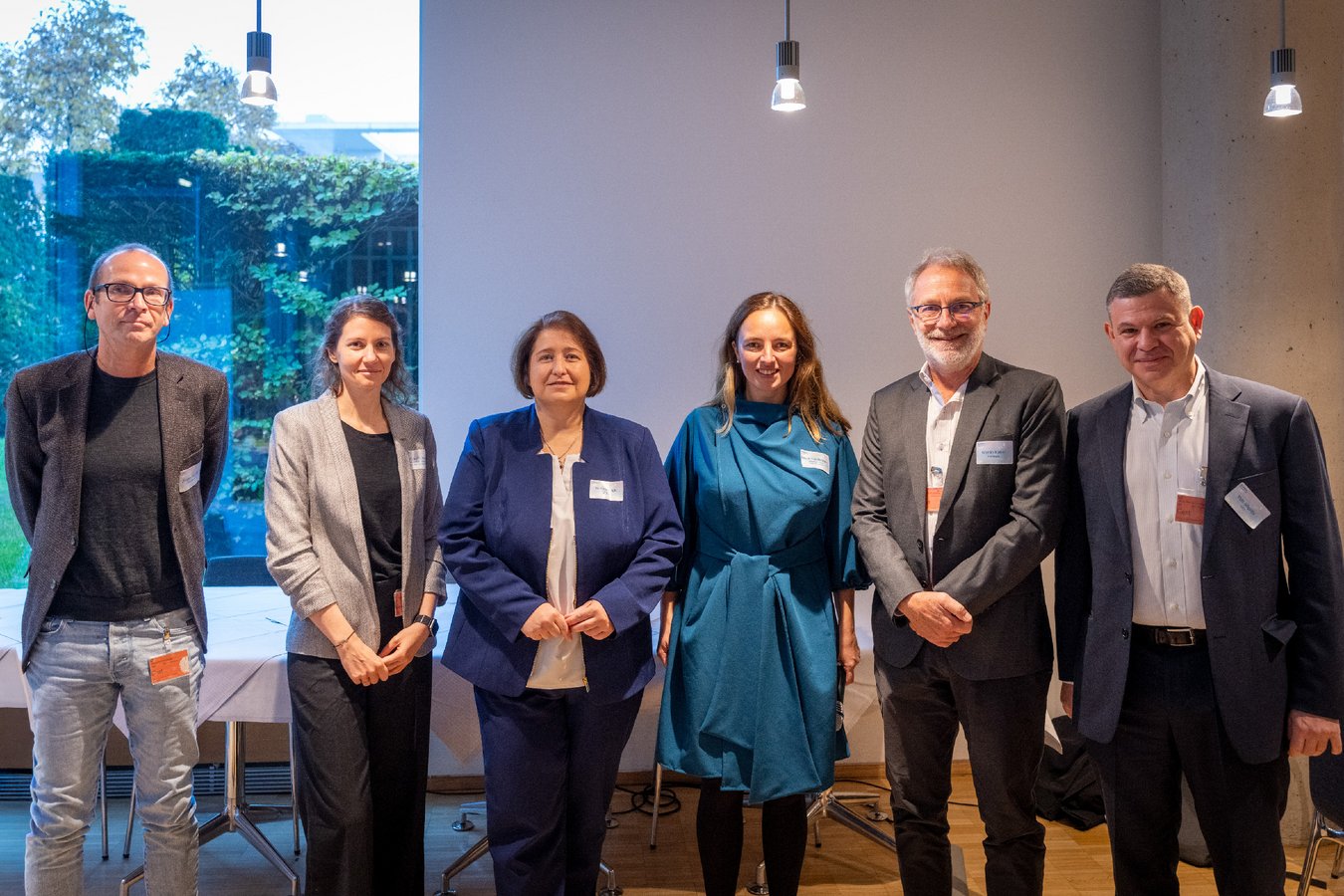
For this reason, experts from several research institutions have now presented a discussion paper to German policymakers. The lead author is Prof. Yuri Shprits, Head of the Space Physics and Space Weather Section at the GFZ Helmholtz Centre for Geosciences. Three other authors are also from the GFZ. One of the researchers’ main concerns is the establishment of a national civil space weather service. Cooperation among existing national and European institutions is also important in order to reduce existing international dependencies. Space weather should also be incorporated into national risk analyses. Other European countries, such as Norway and the UK, already have such services in place.
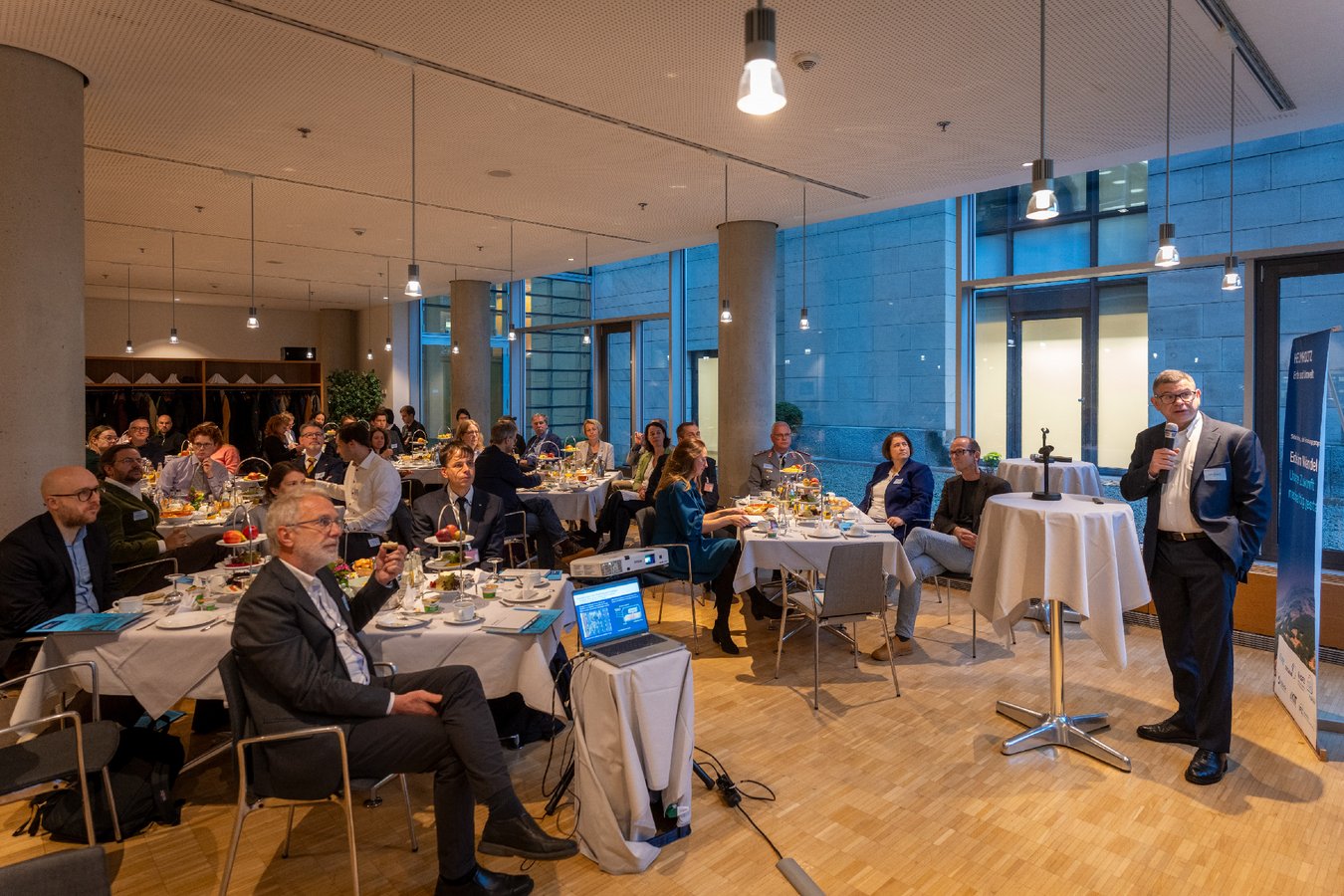
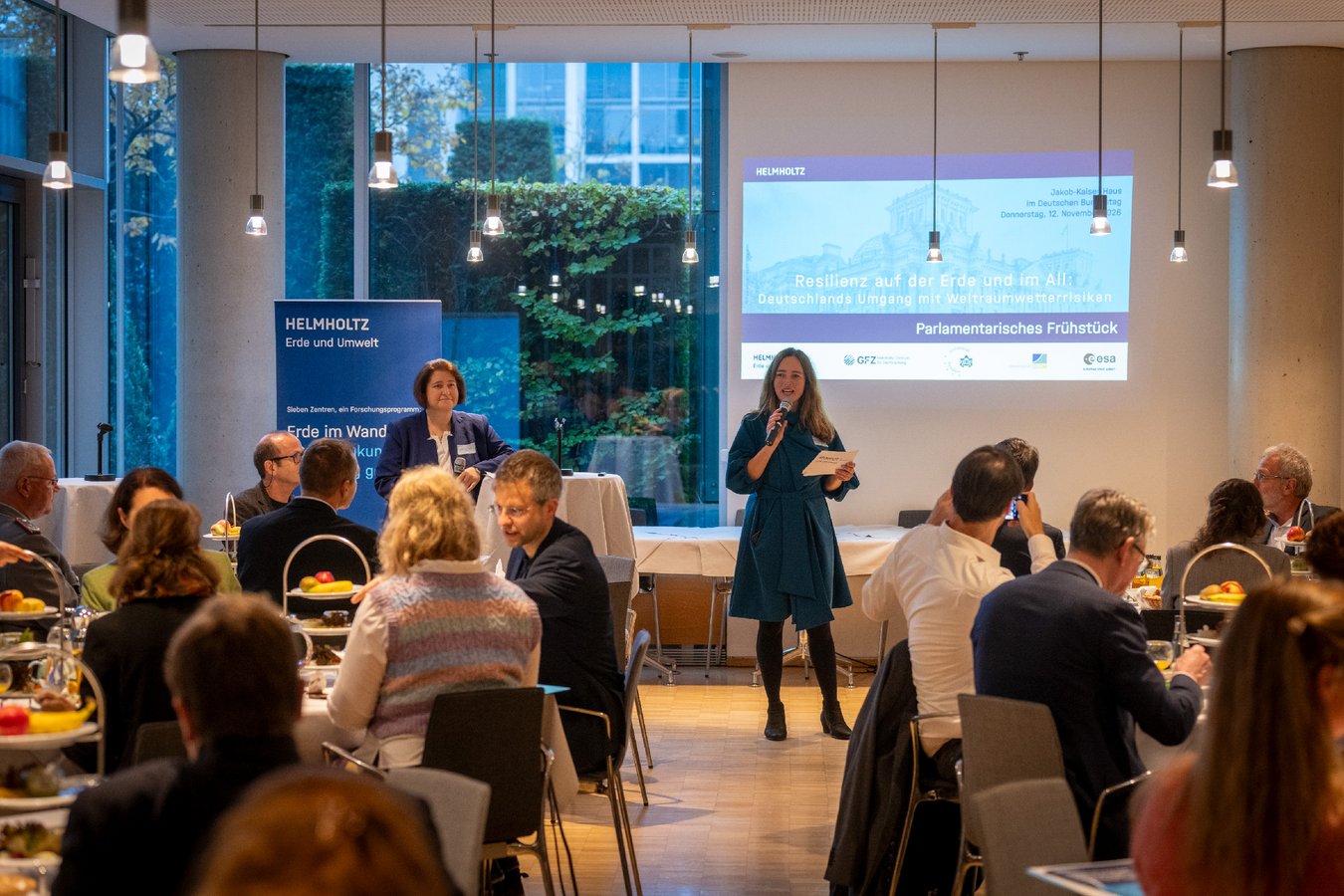
Co-ordinated by the Helmholtz Forum Earth and Environment, the experts presented their recommendations on 12 November at a parliamentary breakfast event in Berlin entitled ‘Resilience on Earth and in Space: Germany’s Approach to Space Weather Risks’. The event was held under the patronage of Bettina Lugk, Member of the German Bundestag, who is the Deputy Chair of the Bundestag’s Defence Committee. The topic attracted considerable interest: more than 50 participants from politics, federal ministries, public authorities, the military and the scientific community attended the event at the Jakob-Kaiser-Haus of the German Bundestag. In the subsequent discussion, representatives of all participating sectors agreed that a national space weather service is extremely important. Bettina Lugk (MdB), also emphasized the importance of strengthening Germany's and Europe's capacity to act and technological independence in space. In this context, a national civil space weather service that could be linked with existing institutions and European structures is of central importance.
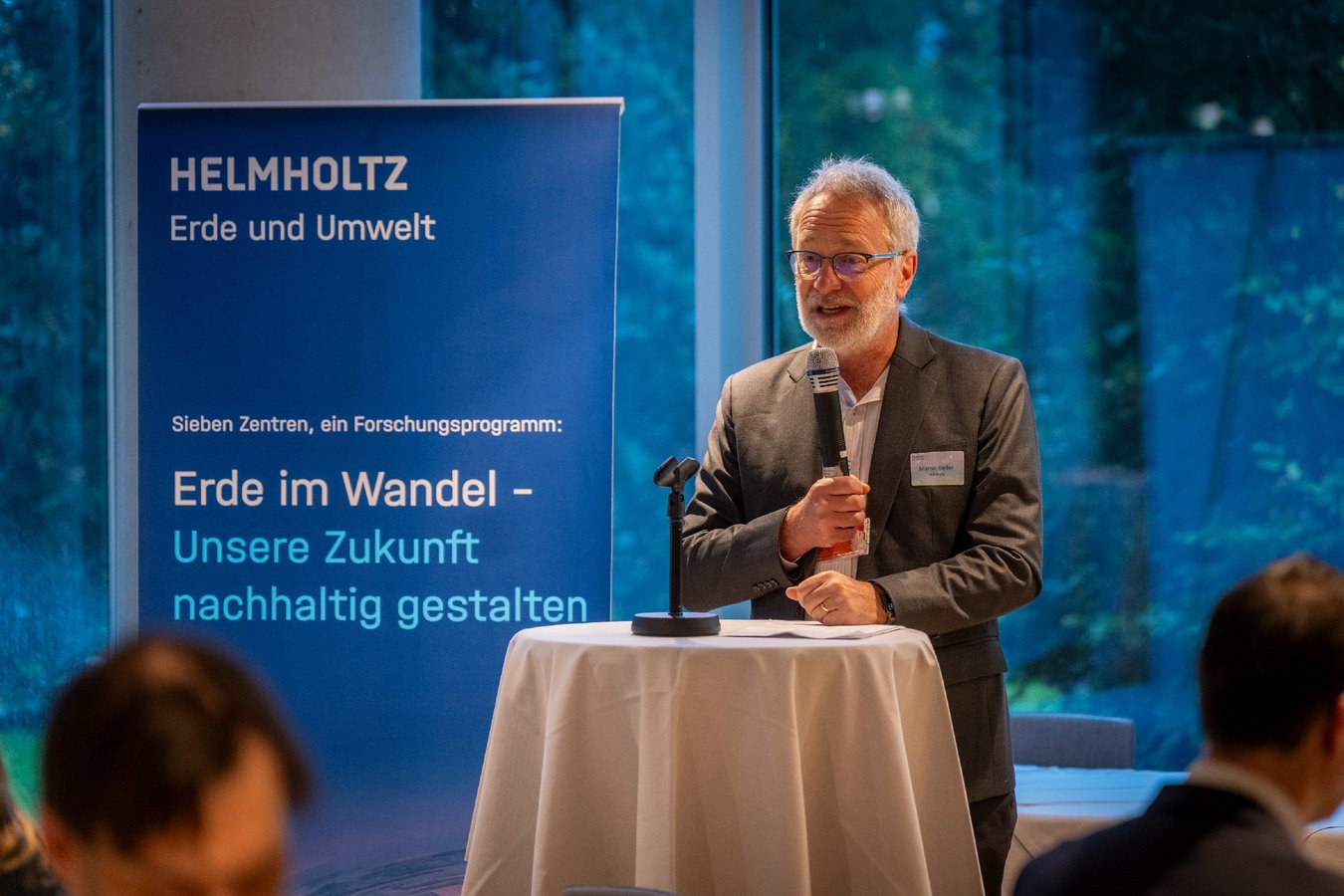
Martin Keller, President of the Helmholtz Association, highlighted society’s growing dependence on space-based technologies and the importance of research for space safety. He emphasised that space weather affects society as a whole.
That is shown by events from the past. About 15 years ago, the Earth narrowly escaped a potential catastrophe. On 23 July 2012, the Sun hurled a huge cloud of highly energetic particles into space. The cloud of high-energy particles hurtled towards Earth’s orbit at 3,000 kilometres per second. By the time the plasma crossed Earth’s path, our planet had already travelled 23 million kilometres further along its orbit and had thus ‘missed’ the plasma cloud. 23 million kilometres sounds like a lot, but it was only nine days that separated us from the destructive particles from the solar storm. This solar storm was at least as strong as the so-called Carrington Event of 1859. At that time, a solar storm struck Earth. Auroras could be seen as far south as Cuba and Hawaii, and the telegraph systems were significantly disrupted. Some telegraph poles sparked, and in some cases the paper inside the equipment caught fire.


